
Hips & Twists / Forward Bends
Fundamentals of Hip Poses – Inspired by Ray Long’s Teachings
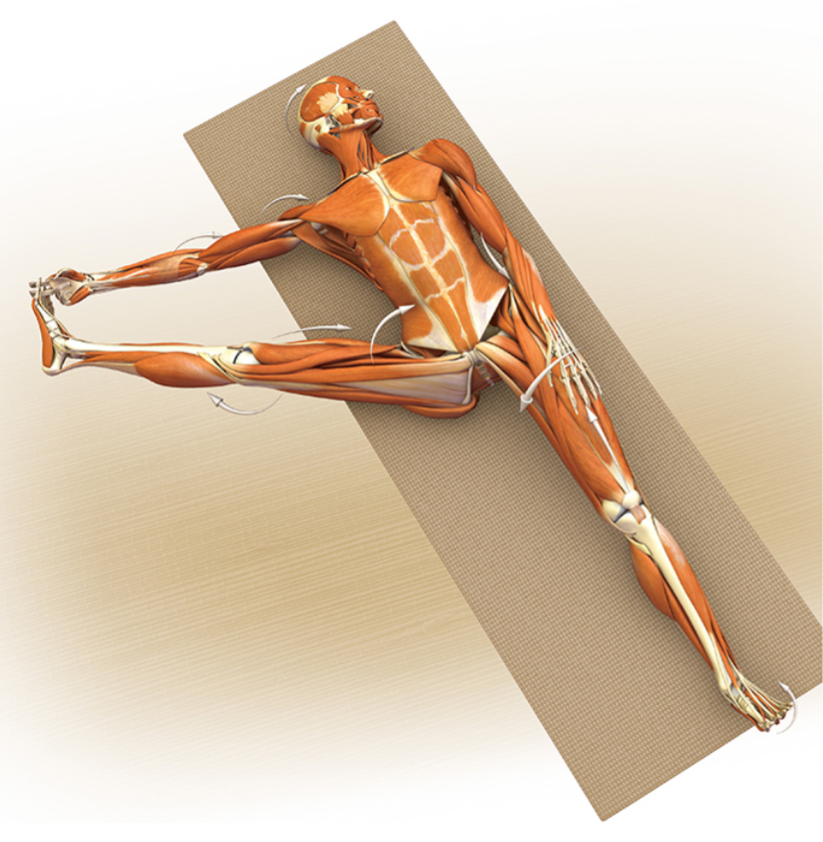
Hip-focused poses are taught through the lens of functional hip anatomy, joint centration, and the intelligent balance between mobility and stability. Based on Ray Long’s teachings, the emphasis is on understanding how the femur moves within the acetabulum and how surrounding muscles guide, stabilise, and protect that movement.
Students learn to differentiate between hip flexion, extension, internal and external rotation, and how these actions affect the pelvis and spine. Special attention is given to creating spaciousness in the hip joint while maintaining muscular support to avoid strain on the knees, sacroiliac joints, and lower back.
What to Expect the Primary Focus to Be:
Functional mobility of the hip joint
Balancing flexibility with strength and stability
Safe management of external and internal rotation
Pelvic positioning and lumbar spine protection
Muscle engagement to support joint integrity
Breath-supported release without force
The overall intention is to cultivate healthy, sustainable hip opening that supports both freedom of movement and long-term joint health.
Fundamentals of Twists – Inspired by Ray Long’s Teachings
Twists are approached as a refined coordination of spinal rotation, pelvic stability, and breath mechanics. Drawing from Ray Long’s anatomical principles, the primary focus is on generating rotation from appropriate regions of the spine while maintaining spinal length, disc health, and joint safety.
Students learn how to stabilise the pelvis, create axial extension, and use the oblique core muscles to initiate and control the twist. Emphasis is placed on distributing rotation through the thoracic spine rather than forcing the lumbar region.
What to Expect the Primary Focus to Be
Axial elongation before rotation
Pelvic stabilisation and core integration
Safe distribution of spinal rotation
Protection of the lumbar spine and sacroiliac joints
Breath as a guide for depth and refinement
Balanced use of leverage and muscular effort
The intention is to create twists that are spacious, detoxifying, and structurally sound—supporting spinal health and nervous system balance.
Fundamentals of Seated Poses – Inspired by Ray Long’s Teachings
Seated poses are taught as a foundation for spinal organisation, pelvic alignment, and meditative stability. Based on Ray Long’s approach, the focus is on understanding how pelvic tilt, hamstring tension, and hip mobility influence the natural curves of the spine and overall posture.
Students learn how to establish a neutral, supported pelvis, lengthen the spine without rigidity, and engage postural muscles efficiently to support both effortful and restorative seated shapes. These poses serve as a gateway to integrating movement with stillness.
What to Expect the Primary Focus to Be
Pelvic orientation and spinal neutrality
Postural muscle engagement and release
Safe forward folding mechanics from the hips
Hamstring and hip interaction with the spine
Breath-supported spinal length
Stability for meditation and pranayama
The intention is to develop seated poses that are both anatomically sound and energetically grounded—supporting sustained practice, breathwork, and meditation with ease and integrity.
Hips/Twists 1:
सुखासन – Sukhasana – Easy Pose
सुखासन – Sukhasana – Easy Pose
HOW TO ENTER & EXIT:
Entering:
• Sit; elevate hips on cushion if needed; cross legs; spine long; hands on knees; soften shoulders; optionally close eyes.
Exiting:
• Uncross; extend legs; shake out; pause.
BASIC JOINT POSITIONS:
Hips flex/abduct/external rotate; knees flex; ankles neutral; trunk slightly extends; shoulders slightly flex.
BENEFITS:
Promotes relaxation/mindfulness; improves hip/lower-back flexibility; supports posture; prepares for meditation.
CONTRAINDICATIONS:
Severe hip/knee issues; recent lower-body surgery; chronic pelvic/lumbar pain—modify.
MODIFICATIONS:
Sit on bolster; one leg extended; back to wall; blocks under knees.
TEACHING TIPS:
Cue sit bones heavy; lengthen spine; soften jaw and throat.
Hips/Twists 2:
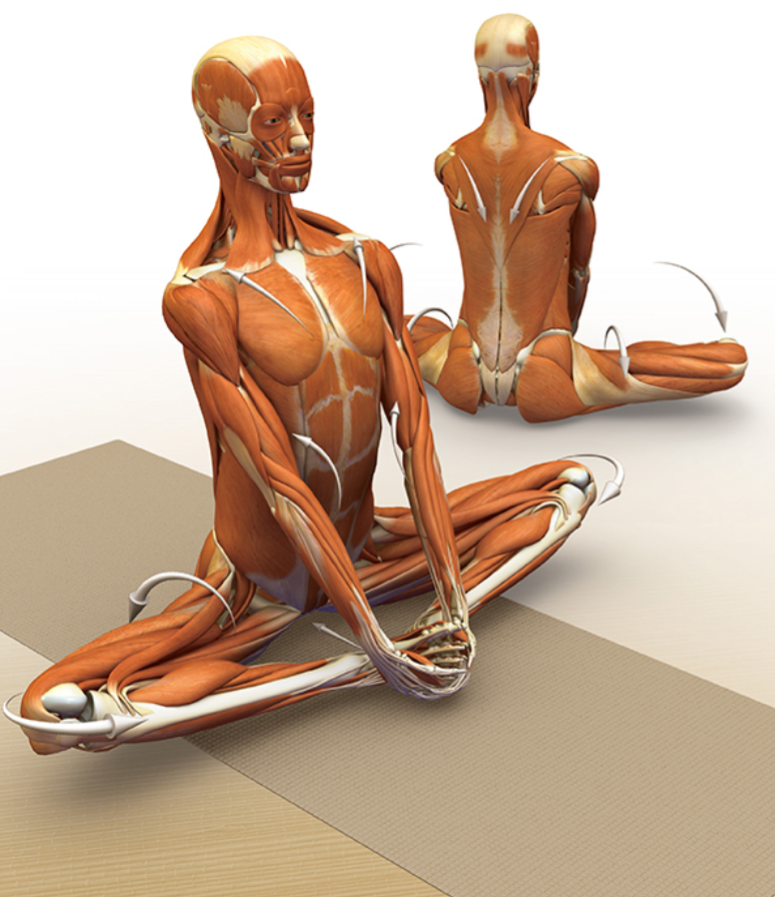
बद्ध कोणासन – Baddha Koṇāsana – Bound Angle
बद्ध कोणासन – Baddha Koṇāsana – Bound Angle
HOW TO ENTER & EXIT:
Entering:
• Sit; bring soles together; hold feet; draw toward pelvis as comfortable.
• Inhale lengthen spine; exhale soften knees toward floor; breathe.
Exiting:
• Release, extend legs; shake out.
BASIC JOINT POSITIONS:
Hips flex/abduct/external rotate; knees flex; ankles neutral; trunk extends; shoulders flex/adduct/external rotate; elbows flex.
BENEFITS:
Opens hips/groins; improves pelvic circulation; calms mind; encourages posture.
CONTRAINDICATIONS:
Knee injuries; hip conditions (arthritis); recent hip/knee surgery; pregnancy later stages—modify.
MODIFICATIONS:
Sit on blanket; blocks under knees; feet further from pelvis; sit at wall.
TEACHING TIPS:
Cue hinge from hips (not spine) if folding; keep sacrum long; breathe into groins.
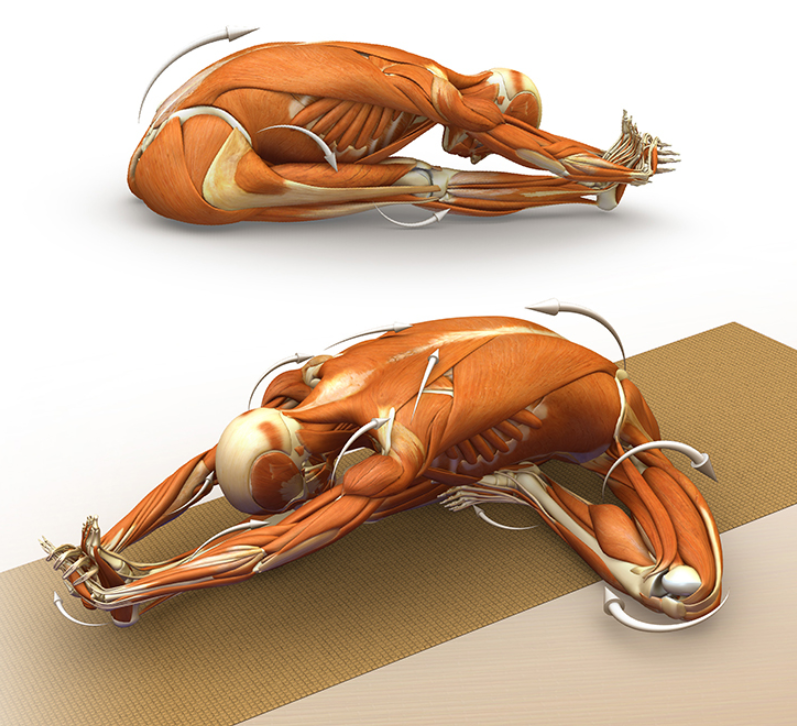
Forward Bend 1: पाश्चिमोत्तानासन – Pāśchimottānāsana
Seated Forward Bend
Insert Pose Image Here
पाश्चिमोत्तानासन – Pāśchimottānāsana – Seated Forward Bend
HOW TO ENTER & EXIT:
Entering:
• Sit with legs extended; inhale arms up to lengthen; exhale hinge from hips to fold; reach feet/ankles/shins or use strap; relax head/neck; breathe.
Exiting:
• Inhale, rise with long spine; exhale arms down; shake legs.
BASIC JOINT POSITIONS:
Hips flex; knees extend; ankles plantarflex; feet evert; trunk flexes; shoulders flex/abduct/external rotate; elbows flex; forearms pronate; wrists extend.
BENEFITS:
Stretches spine/hamstrings/shoulders; calms nervous system; supports liver/kidneys; aids meditation; relieves tension.
CONTRAINDICATIONS:
Severe hamstring strain; chronic back/disc issues; pregnancy (esp. later); acute sciatica; recent abdominal/spinal surgery.
MODIFICATIONS:
Use strap; sit on blanket; bend knees; chair variation; bolster under knees.
TEACHING TIPS:
Cue belly to thighs first, then lengthen; keep front of body long; soften shoulders.
Forward Bend 2: जानु शीर्षासन – Jānu Śīrṣāsana – Head-to-Knee
जानु शीर्षासन – Jānu Śīrṣāsana – Head-to-Knee
HOW TO ENTER & EXIT:
Entering:
• From dandasana, bend one knee, sole to inner thigh; inhale lengthen; exhale hinge toward extended leg; hold foot/ankle/shin.
Exiting:
• Inhale rise; extend bent leg; switch sides.
BASIC JOINT POSITIONS:
Straight-leg hip flexes; knee extends; ankle plantarflexes; foot everts; bent-leg hip flexes/abducts/external rotates; trunk flexes; shoulders flex/abduct/external rotate; elbows flex; forearms pronate; wrists extend.
BENEFITS:
Stretches hamstrings/low back; improves flexibility; stimulates digestion; calms mind; supports posture.
CONTRAINDICATIONS:
Knee injuries; severe back pain/disc issues; pregnancy later stages; recent surgery.
MODIFICATIONS:
Strap around foot; bend extended knee; cushion under bent-knee; half fold with hands on shins.
TEACHING TIPS:
Cue to square navel toward extended leg; keep sternum forward; soften back of neck.
Forward Bend 3:
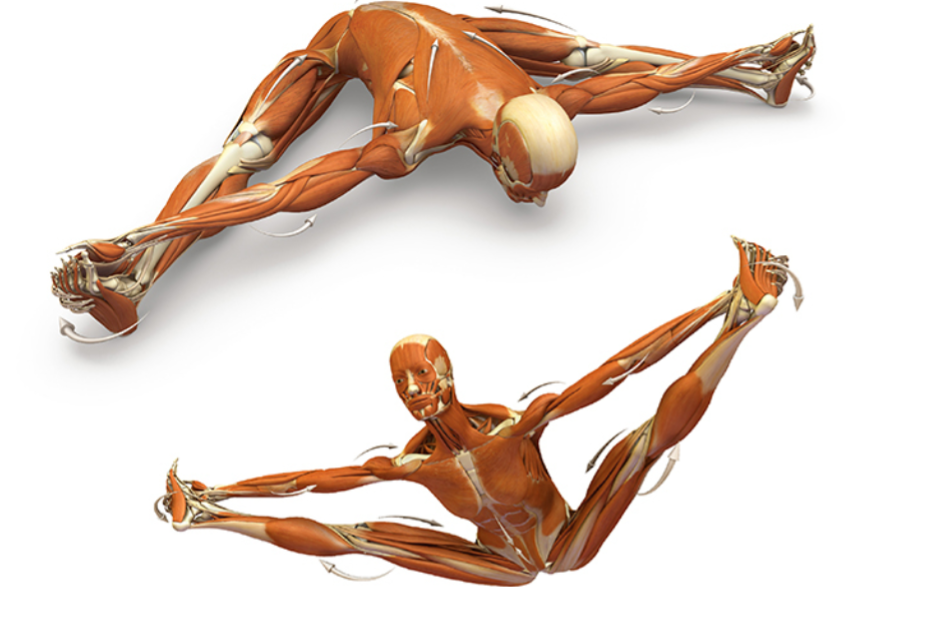
उपविष्टकोणासन – Upaviṣṭakoṇāsana
Wide-Angle Seated Forward Bend
उपविष्टकोणासन – Upaviṣṭakoṇāsana – Wide-Angle Seated Forward Bend
HOW TO ENTER & EXIT:
Entering:
• Sit; open legs wide; flex feet; inhale lengthen; exhale hinge forward; hands to floor/feet; relax head/neck.
Exiting:
• Inhale rise; bring legs together; shake out.
BASIC JOINT POSITIONS:
Hips flex/abduct/external rotate; knees extend; ankles neutral; feet evert; trunk flexes; cervical spine extends; shoulders extend/abduct/external rotate; elbows flex; wrists flex.
BENEFITS:
Opens inner thighs/hips; improves flexibility in hamstrings/groin/low back; calms mind; supports posture and meditation.
CONTRAINDICATIONS:
Knee pain; hip arthritis; recent hip/groin surgery; pregnancy later stages.
MODIFICATIONS:
Sit on cushion; bend knees; blocks under knees; sit against wall.
TEACHING TIPS:
Cue to keep kneecaps pointing up; draw inner thighs back; lengthen from pubis to sternum.
Twist 1:
अर्ध मत्स्येन्द्रासन – Ardha Matsyendrāsana
Half Lord of the Fishes
अर्ध मत्स्येन्द्रासन – Ardha Matsyendrāsana – Half Lord of the Fishes
HOW TO ENTER & EXIT:
Entering:
• Sit; bend right knee, place foot outside left thigh; tuck left foot near right hip (or keep straight).
• Inhale lengthen; exhale twist right, left elbow outside right knee; gaze over right shoulder; breathe.
Exiting:
• Inhale untwist; extend legs; switch sides.
BASIC JOINT POSITIONS:
Spine extended in twist; one hip externally rotates; top leg foot plants; shoulders relaxed; neck turns with spine; feet ground for stability.
BENEFITS:
Improves spinal mobility; relieves back/neck tension; stimulates digestion; opens chest and breathing.
CONTRAINDICATIONS:
Acute or chronic back issues; pregnancy; herniated discs—modify or avoid.
MODIFICATIONS:
Sit on blanket; keep bottom leg extended; block under hand; gentle twist with hands on hips.
TEACHING TIPS:
Cue to lengthen on inhale, twist on exhale; keep both sit bones grounded.
Core 1:
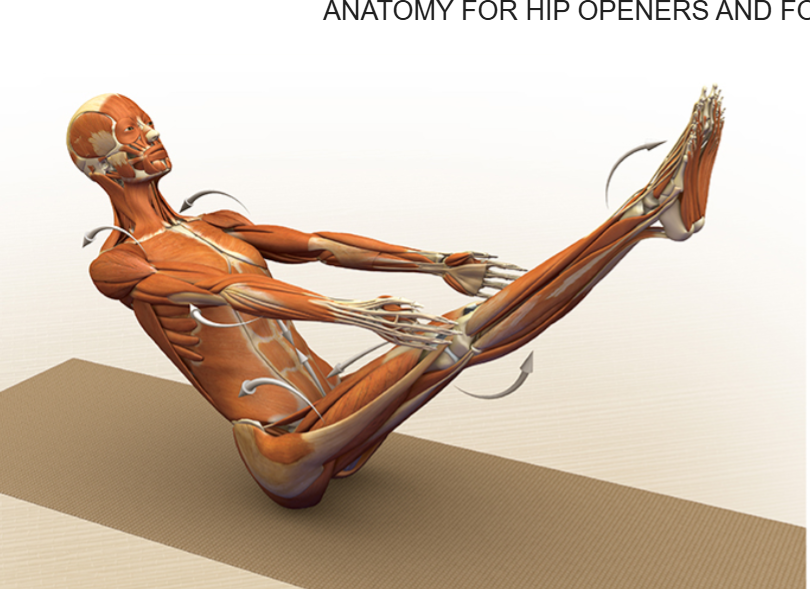
नावासन – Navāsana - Boat Pose
नावासन – Navāsana – Boat Pose
HOW TO ENTER & EXIT:
Entering:
• Sit; lean back with long spine; lift feet, shins parallel; extend arms parallel.
• Balance on sit bones; chest open; form a “V”.
Exiting:
• Lower arms; then feet with control; sit tall.
BASIC JOINT POSITIONS:
Hips flex; knees extend (or stay bent); ankles plantarflex; shoulders flex/adduct/external rotate; forearms neutral.
BENEFITS:
Strengthens core; improves balance; stimulates digestion; increases spine/hamstring flexibility; boosts energy.
CONTRAINDICATIONS:
Chronic low-back pain; pregnancy; recent abdominal surgery; neck issues—modify or avoid.
MODIFICATIONS:
Keep knees bent; practice near wall; toes tapping variation; cushion under sit bones.
TEACHING TIPS:
Cue to lift sternum; draw low belly in/up; keep spine long (avoid rounding).
Hamstring 1:
सुप्त पादाङ्गुष्ठासन – Supta Pādāṅguṣṭhāsana
Reclining Hand-to-Big-Toe
सुप्त पादाङ्गुष्ठासन – Supta Pādāṅguṣṭhāsana – Reclining Hand-to-Big-Toe
HOW TO ENTER & EXIT:
Entering:
• Supine; bend one knee, other leg long; inhale lift straight leg; loop strap if needed; keep low back grounded.
Exiting:
• Lower leg with control; release strap; relax; repeat other side.
Variation (Abduction or Crossover):
• With strap, open leg to the side keeping opposite thigh grounded; or cross over midline for IT-band stretch; return to center.
BASIC JOINT POSITIONS:
Raised-leg hip flexed; raised knee extended; opposite knee flexed; ankle dorsiflex on raised leg; spine neutral; grounded shoulders; raised arm elbow extended.
BENEFITS:
Stretches hamstrings/calves; improves flexibility; relieves low-back tension; promotes relaxation and circulation.
CONTRAINDICATIONS:
Recent leg/hip/back surgery; hamstring strain; chronic low-back/sciatica—use caution.
MODIFICATIONS:
Use strap; slight knee bend; towel under low back; use wall support.
TEACHING TIPS:
Cue to keep both hips level; press opposite thigh down; flex through heel of raised leg